

Have you ever wondered how to make your breast augmentation surgery recovery smoother and more comfortable? Lymphatic drainage massage is becoming a popular addition to many patients’ postoperative care plan because of its ability to support healing after cosmetic surgery. When paired with proper massage therapy techniques, it can help enhance the entire experience.
The recovery process after breast augmentation surgery can feel overwhelming at first, but incorporating supportive methods like lymphatic massage can make a meaningful difference. By understanding how it works and when to start, patients can take active steps that lead to better results and a more confident return to their daily routine.
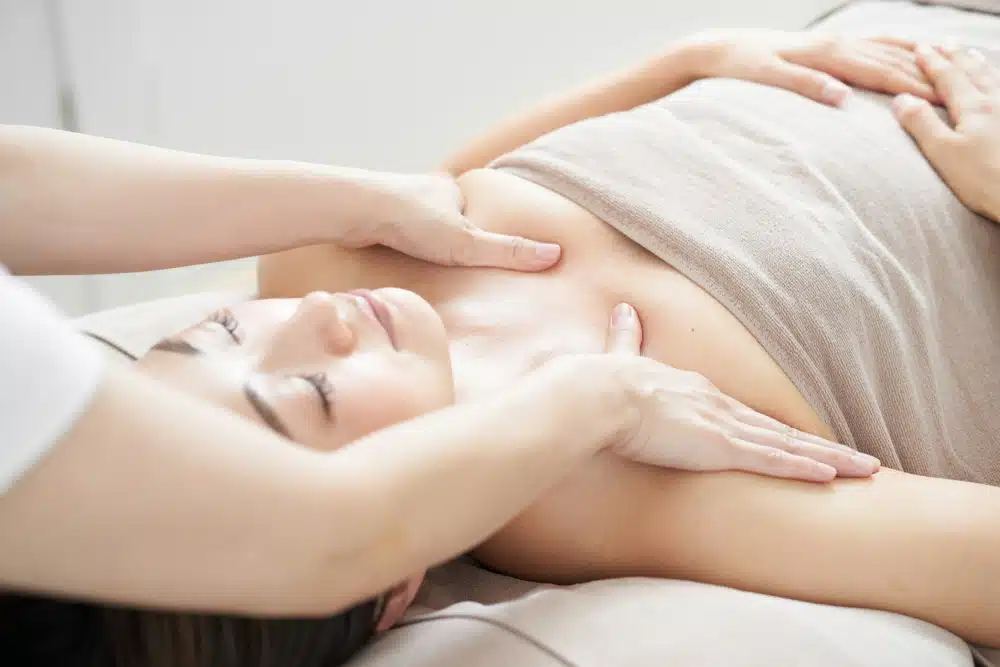
How Soon After Surgery Can You Get a Lymphatic Drainage Massage?
Most patients can safely begin lymphatic drainage massage about two weeks after their surgical procedure, although the exact timing may vary based on individual healing needs and the recommendations of their plastic surgeon. During this early recovery time, patients should follow their provider’s guidance closely to avoid disrupting the healing tissues. Starting too early can place unnecessary pressure on the incisions, while beginning at the right time helps reduce swelling, promote circulation, and support overall comfort.
Healing progresses differently for everyone, so it is essential to attend follow-up appointments and communicate openly with your surgeon. When performed at the appropriate stage, a lymphatic massage can enhance your recovery, improve mobility, and help your body naturally reduce inflammation.
Benefits of Lymphatic Massage After Breast Augmentation
Lymphatic massage offers important advantages for anyone healing from breast augmentation, especially because this type of surgery can create swelling, tightness, and fluid buildup during post-surgical recovery. By supporting the body’s natural drainage pathways, these techniques can help patients feel more comfortable, heal more efficiently, and enjoy smoother progress as they move through the recovery process.
Stimulate the Lymphatic System
Lymphatic massage gently activates the lymph nodes and encourages natural lymphatic flow, helping the body move excess fluid away from the surgical area. This stimulation supports early lymphatic restoration, which can enhance comfort and reduce feelings of heaviness during healing. By promoting smoother internal circulation, patients may experience a more efficient and balanced recovery.
Reduces Swelling and Pain
Lymphatic drainage massage helps the body release trapped fluid that often contributes to swelling and discomfort after breast augmentation. By guiding excess fluid away from sensitive tissues, this technique can reduce pressure around the surgical area and improve overall comfort. Regular sessions support a smoother healing experience and help patients feel more at ease throughout their recovery.
Improves the Healing Process
Lymphatic drainage massage aids the body’s natural healing process by promoting gentle movement of fluid around the breast implants and surrounding tissues. This improved circulation can help prevent capsular contracture by reducing inflammation and supporting healthier tissue adaptation. As healing progresses, patients often experience improved comfort and steadier recovery as the body responds to consistent lymphatic support.
Reduces Scar Tissue
Lymphatic massage can support healing tissues by improving circulation around incision sites and encouraging gentle movement of fluid through the area. This process helps minimize buildup that can harden into scar tissue, promoting smoother tissue repair as recovery progresses. With consistent care, patients may experience softer, more flexible results during long-term healing.
What Happens if You Don’t Massage Your Breasts in Recovery?
Skipping lymphatic massage during the early stages of healing can lead to prolonged swelling and a heavier, more uncomfortable recovery. Without proper stimulation, lymphatic fluid may accumulate around the surgical area, slowing the body’s ability to reduce inflammation and potentially increasing sensitivity or tightness over time.
In some cases, restricted drainage can contribute to issues such as localized lymphedema, where fluid buildup becomes more persistent and difficult for the body to manage on its own. Reduced circulation may also delay softening of the tissues, making the healing process feel longer and less smooth. Incorporating massage techniques consistently helps support the body’s natural rhythm and prevents avoidable setbacks in recovery.
Are You Ready For A Consultation?
Join our satisfied clients who’ve experienced safe, effective treatments
Massage Techniques: How to Massage the Breast After Augmentation
Understanding the right approach to lymphatic drainage techniques is essential for safe and effective healing. Each type of massage plays a unique role in guiding fluid away from sensitive tissues, minimizing swelling, and promoting comfort during recovery. While these methods can be performed gently at home, consulting a qualified massage therapist ensures proper technique and enhances your overall healing experience.
Axillary Node Stimulation (Clearing the Drain)
Before working on the breast tissue itself, it is important to prepare the area where excess fluid will eventually drain. This step involves making soft, circular motions in the armpit, allowing the skin to glide gently over the muscle beneath it rather than rubbing the surface. The pressure should feel light, like checking the ripeness of a piece of fruit. These movements help awaken the lymph nodes in the axilla, signaling them to open and get ready to receive the fluid that will be guided their way during the rest of the massage.
The “Stationary Circle” Technique
To begin this movement, rest a relaxed, open hand on the upper portion of the breast, just above the nipple. Using slow and steady circular motions, gently stretch the skin in the direction of the armpit, keeping the touch extremely light. The goal is to create a feather-light pull that influences the fluid just beneath the surface without shifting or compressing the implant. This careful, rhythmic technique encourages fluid movement while maintaining complete comfort and safety during healing.
Lateral Sweeping (Side-to-Axilla)
This technique focuses on the outer edge of the breast, where swelling often settles during the early healing period. With your full palm, gently guide or sweep the fluid from the side of the ribcage upward toward the armpit. The motion should feel smooth and supportive, helping excess fluid move toward the drainage point you prepared earlier. This method is especially helpful for easing lateral swelling, which is a common source of discomfort when wearing a bra or compression garment.
Medial Drain (Center-to-Clavicle)
This technique focuses on the cleavage area, where fullness and tightness are common during healing. Using flat, relaxed fingers, gently guide fluid upward toward the collarbone, keeping the motion moving vertically rather than across to the opposite breast. This helps define the natural cleavage line while easing that heavy, pressured feeling often experienced around the sternum or chest bone. By directing fluid toward the clavicle, you support efficient drainage and improved comfort.
Deep Diaphragmatic Breathing
Although not a hands-on technique, deep belly-focused breathing plays an essential role in supporting lymphatic movement. As you inhale deeply, the diaphragm expands and creates a natural pressure shift inside the torso, generating a gentle vacuum effect within the thoracic duct. This pumping action helps draw lymph fluid upward from the abdomen and chest, significantly boosting overall drainage. Incorporating slow, controlled breaths throughout your massage routine enhances the effectiveness of every technique and encourages a steadier, more efficient healing process.
Breast Augmentation Before and After Photos


* Each patient is unique and individual results may vary.
Indications On How Often to Massage Breasts After Augmentation
Massage frequency typically depends on your stage of healing, overall comfort, and your surgeon’s recommendations. During the early weeks of post-surgery recovery, many patients benefit from performing gentle lymphatic movements once or twice a day to help manage swelling and support steady progress. As healing advances, the need for frequent massage usually decreases, allowing the body to maintain fluid balance more naturally.
Because every cosmetic procedure is unique, it is important to adjust the routine based on how your body responds. Some patients may require more frequent sessions to address persistent swelling, while others may transition to occasional maintenance massage sooner. Listening to your surgeon’s guidance ensures that your approach remains safe, effective, and aligned with your individual recovery timeline.
Contact a Specialist in Plastic Surgery of the Breasts Today
Choosing an experienced plastic surgeon is essential for achieving safe and successful results after breast augmentation or any breast plastic surgery procedures. Expertise matters because the right expert understands how to tailor a treatment plan to your anatomy, goals, and long-term health. From breast augmentation, breast reduction, breast lift, and reconstruction to complementary body procedures like liposuction or tummy tuck, skill and precision are vital at every step.
At the Plastic Surgery Clinic of Eau Claire, Dr. Ember Ewings brings exceptional training, board certification, and years of dedicated experience to every procedure she performs. Her background in complex cosmetic and reconstructive surgeries allows her to provide elevated care and natural-looking outcomes. If you are ready to explore your options, call us at 715-833-2116 or visit our contact page to schedule a consultation.